
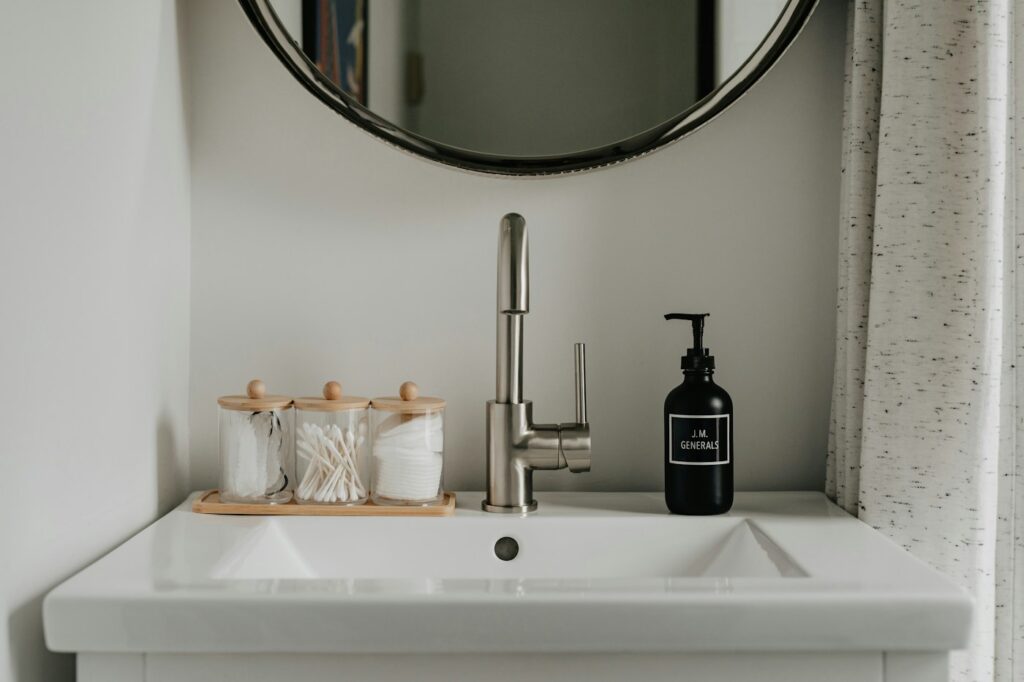
Good bathroom counter organization ideas make getting ready easier, not just prettier. A narrow sink ledge can fill up quickly with toothbrushes, skincare, hair tools, makeup and bottles that nobody uses. When the space is shared, the clutter doubles and it becomes harder to wipe down the surface or find the one thing you need.
The simplest solution is to give the counter a short list of jobs. Daily washing essentials stay close to the basin, small grooming items get one designated container, and backups go somewhere dry and accessible. You don’t need a built-in vanity or an expensive matching set of acrylic organizers to get started.
What belongs on a bathroom counter?
Before buying a tray, clear everything and sort products into used every day, used occasionally and backups. Throw away empty packaging, check product instructions for storage and expiry, and put occasional items into a clean drawer or cabinet. Keep the basin itself free so cleaning and handwashing remain comfortable.
| Item | Best everyday home | Why |
|---|---|---|
| Hand soap | Close to sink, on washable surface | Easy access without leaks spreading |
| Toothbrushes | Clean, upright holder with drying airflow | Helps holders stay manageable and cleanable |
| Daily skincare | Small tray or designated drawer | One place to find and return bottles |
| Hair styling tools | Heat-safe storage after fully cooling | Keeps cords and hot surfaces away from water |
| Spare towels | Clean shelf or cupboard | Protects the sink ledge from bulk |
1. Start with one small washable tray
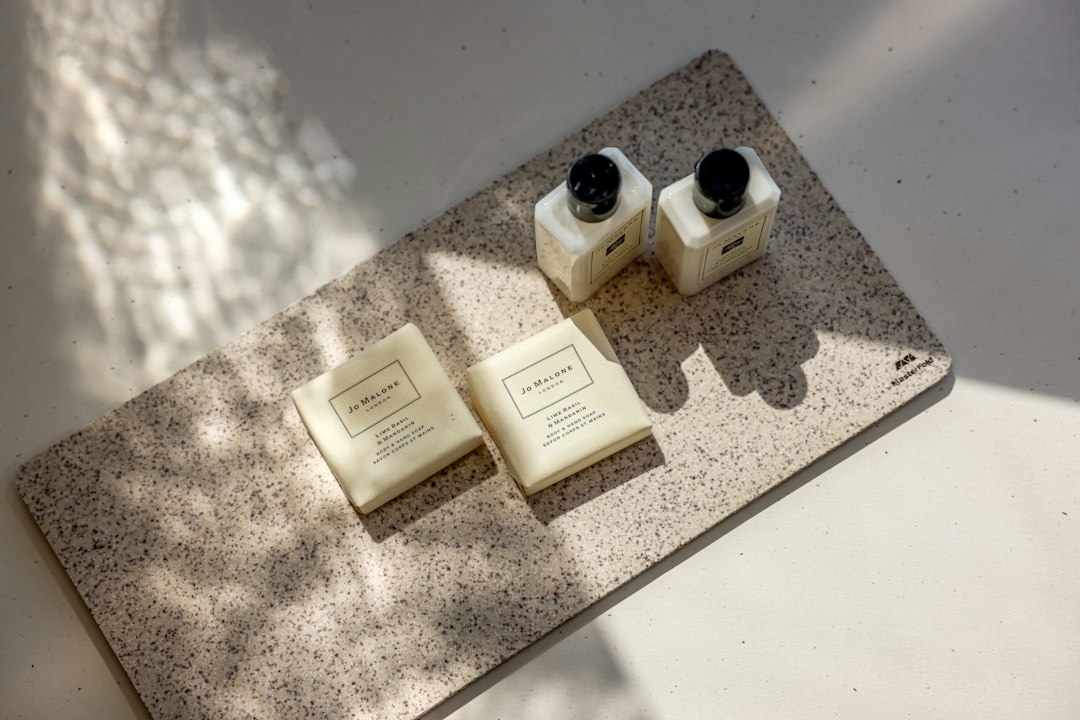
A tray immediately makes loose bottles look intentional, but it also has a practical purpose: you can lift the whole group to wipe the sink area. Choose a surface that tolerates moisture, then keep only the products you genuinely use every morning or evening.
Don’t buy the largest tray that fits. Leaving a little open counter is what makes the bathroom feel easier to use. If two people share the sink, consider one compact container each instead of one sprawling collection of products.
2. Let toothbrushes and hand soap have their own space
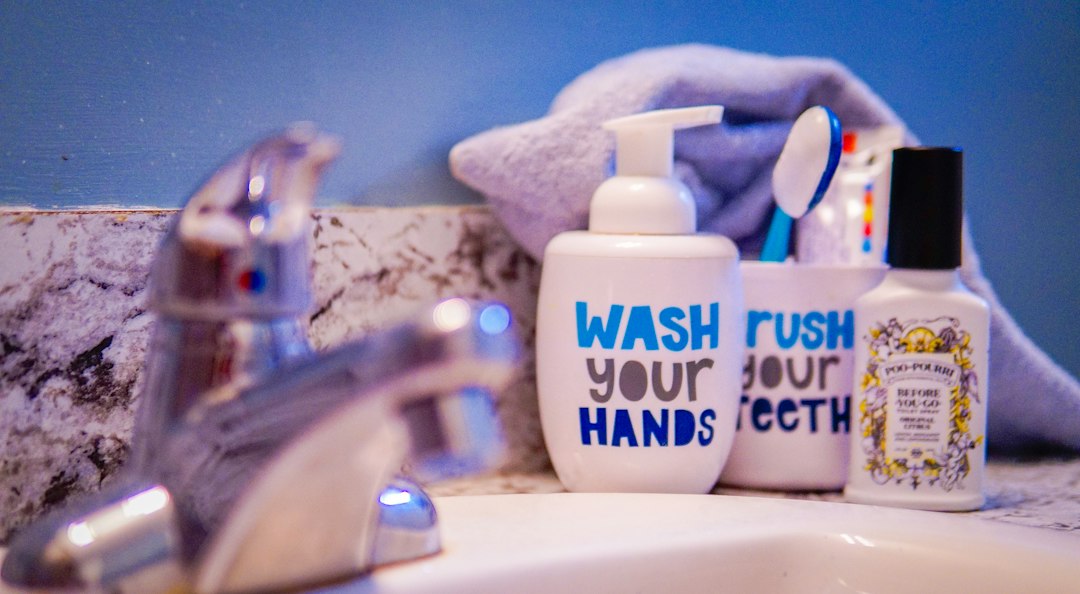
Brushing and handwashing happen multiple times a day. Place a stable toothbrush holder and soap dispenser where each person can reach them without knocking over bottles. Wash holders regularly and allow items to dry according to their care instructions.
A bathroom counter can be visually calm without looking empty. For a softer, coordinated look that fits your space, see our beach-themed bathroom ideas; use the styling inspiration without giving up practical sink access.
3. Move tall bottles into a drawer or cabinet
Tall products are often the first things to crowd the mirror and basin. Keep your everyday essentials near the top of a drawer and store occasional hair products or backups together below the sink, if the location is suitable. Measure cabinet height around pipes and choose washable bins that can be removed for cleaning.
Keep household cleaners separate from personal-care items, follow label directions and prevent children from accessing hazardous products. A pretty open basket on the floor isn’t always a safe place for cleaning chemicals.
4. Use vertical storage sparingly
A two-level vanity organizer can hold lightweight items without spreading across the entire surface. It works best when there’s enough depth to keep the base stable and enough height beneath the mirror or shelves. If a stand makes it harder to clean the sink or open a window, skip it.
For a very narrow basin, an existing shallow cabinet or a permitted wall shelf may be more useful than a countertop tower. Renters should review any drilling restrictions, and anyone adding shelves should follow suitable fixings and load limits.
5. Give shared bathrooms simple morning and evening zones
When two people use one sink, the trouble is often time rather than storage. Give each person one small daily essentials container. Put shared items such as hand soap in the middle, keep rarely used products out of reach of everyday traffic, and agree on a two-minute tidy-up after the rush.
If there are children in the household, keep fragile glass containers and unsafe products away from reachable ledges. A low, secure place for age-appropriate essentials may be more helpful than an adult-height shelf filled with products.
6. Keep tools and cords off wet surfaces
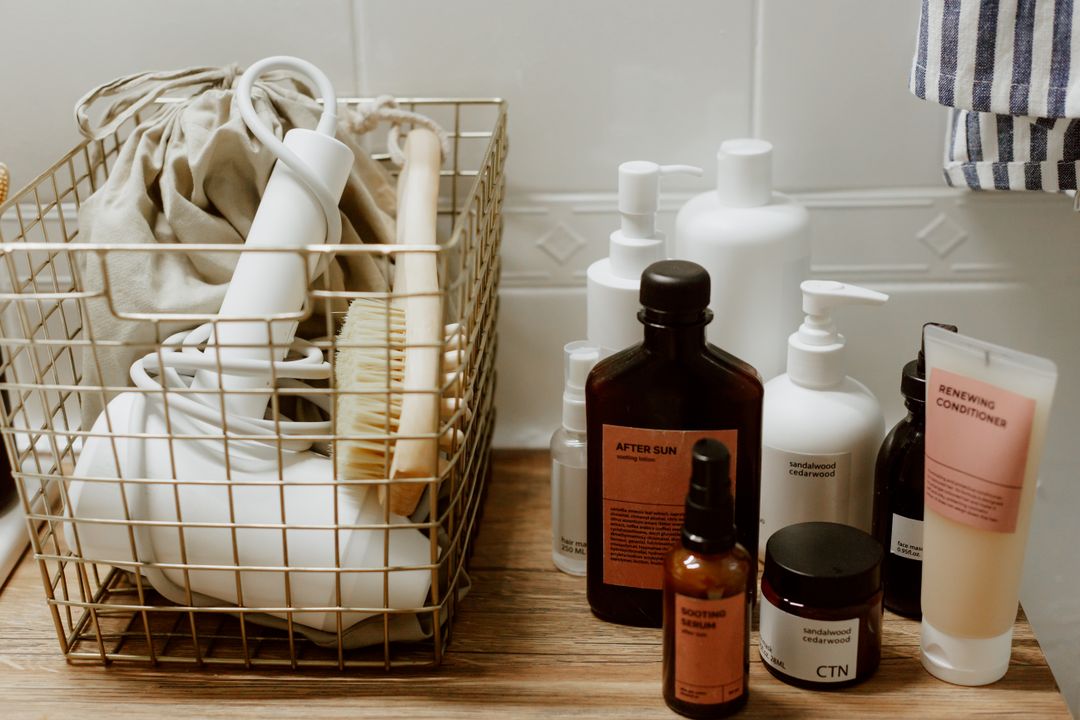
Hairdryers, straighteners and electric grooming devices need appropriate dry storage, often outside a cramped sink area. For UK-specific guidance, Electrical Safety First advises that a hair dryer must not be used in a bathroom or near a sink full of water. Follow the manufacturer’s instructions for cooling and storage, and do not leave plugged-in appliances by water. Avoid the temptation to store a hot hair tool in an ordinary plastic caddy or fabric bin.
If a tool is used every day, give it a convenient but safe place where it can cool before being put away. Clear, realistic placement is more useful than hiding every cord behind decorative jars.
7. Check whether an organizer solves a problem before buying
Before adding another product to the bathroom, ask what exactly it will fix. If cosmetics get mixed up, a small drawer divider may help. If there’s nowhere for hand soap, choose a narrow washable tray. If spare bottles fill the counter, the answer may be to shop from your own backups before buying more.
For a broader whole-home reset, use our free decluttering checklist to make an orderly routine manageable rather than tackling everything in one afternoon.
8. Turn an unused corner into a compact storage station
A small triangular shelf or narrow corner caddy can keep daily essentials contained without spreading across the entire sink. Check that its legs sit flat and that its footprint does not interfere with your faucet or mirror. A transparent or pale-colored organizer can make it easier to see supplies.
Try it: Place only two or three everyday products in the corner, with heavier containers on the lowest shelf. Leave enough room to wipe the sink and open medicine cabinets. Best for: L-shaped vanities with an otherwise unused counter corner. Avoid unstable stacked racks or a location where items may fall into the sink.
9. Use lidded jars for cotton pads and swabs
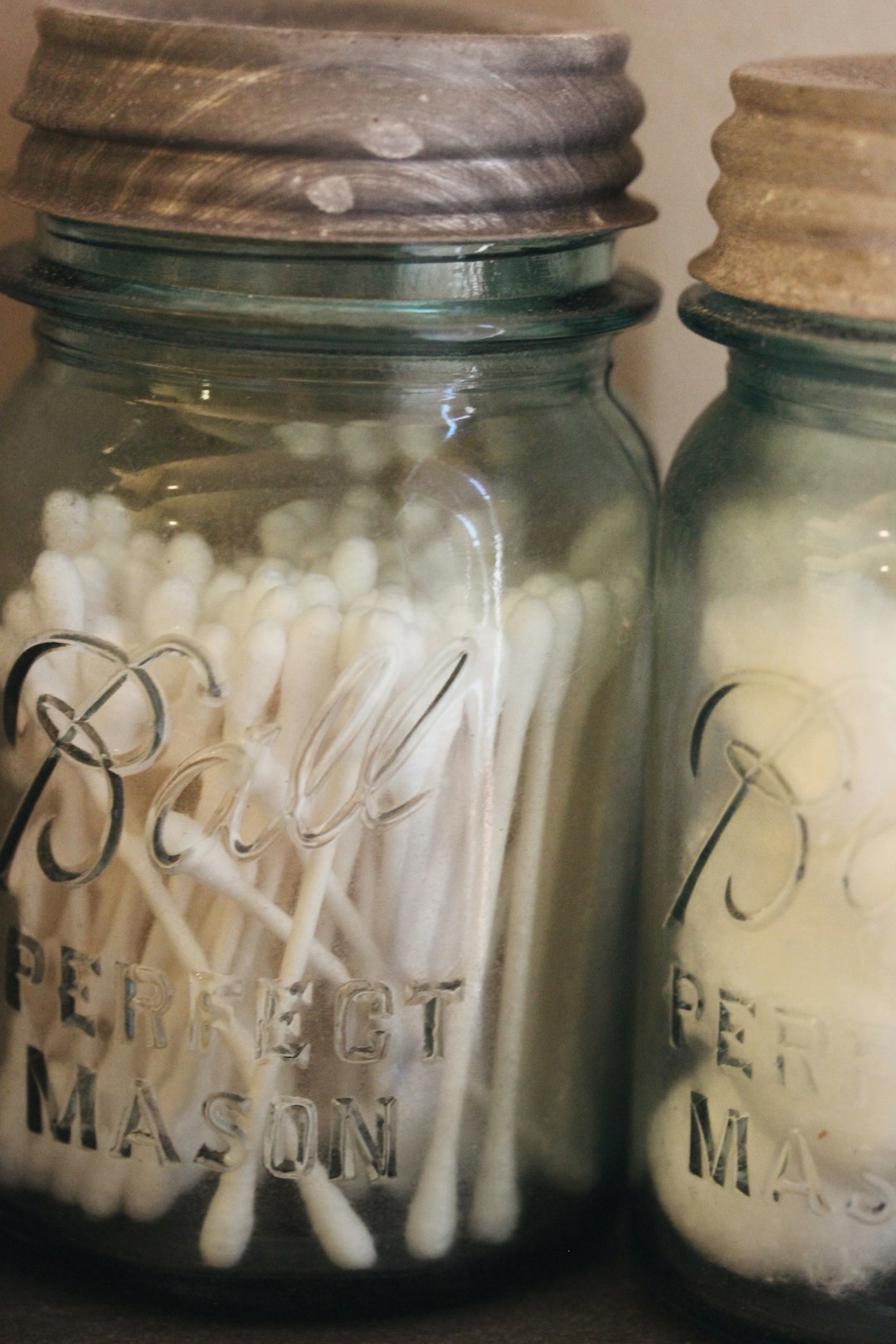
Loose cotton pads and swabs become messy quickly, particularly near splash zones. Choose one or two washable, lidded containers sized for what you actually use each week. Transparent containers help you monitor supplies without opening everything.
Try it: Stand the containers together at the dry end of the counter, or put them on a shelf if the vanity is narrow. Select unbreakable materials if children use the bathroom. Replace damp supplies rather than sealing moisture inside a container. Best for: daily skincare routines and shared bathrooms that need quick access to small items.
10. Keep skincare in a compact rotating organizer
A low, stable rotating organizer can contain several everyday skincare bottles without making you reach around them. It helps only when it fits comfortably on the counter: an oversized rotating rack that blocks the sink makes the space less useful.
Try it: Measure the organizer’s full turning radius and set it away from the counter edge. Put heavier items at the bottom and move backup bottles into suitable dry storage. Follow product labels for storage temperature and humidity; some products belong outside a steamy bathroom. Best for: a dry corner with sufficient room to spin the rack safely.
11. Hang the everyday hand towel beside the basin
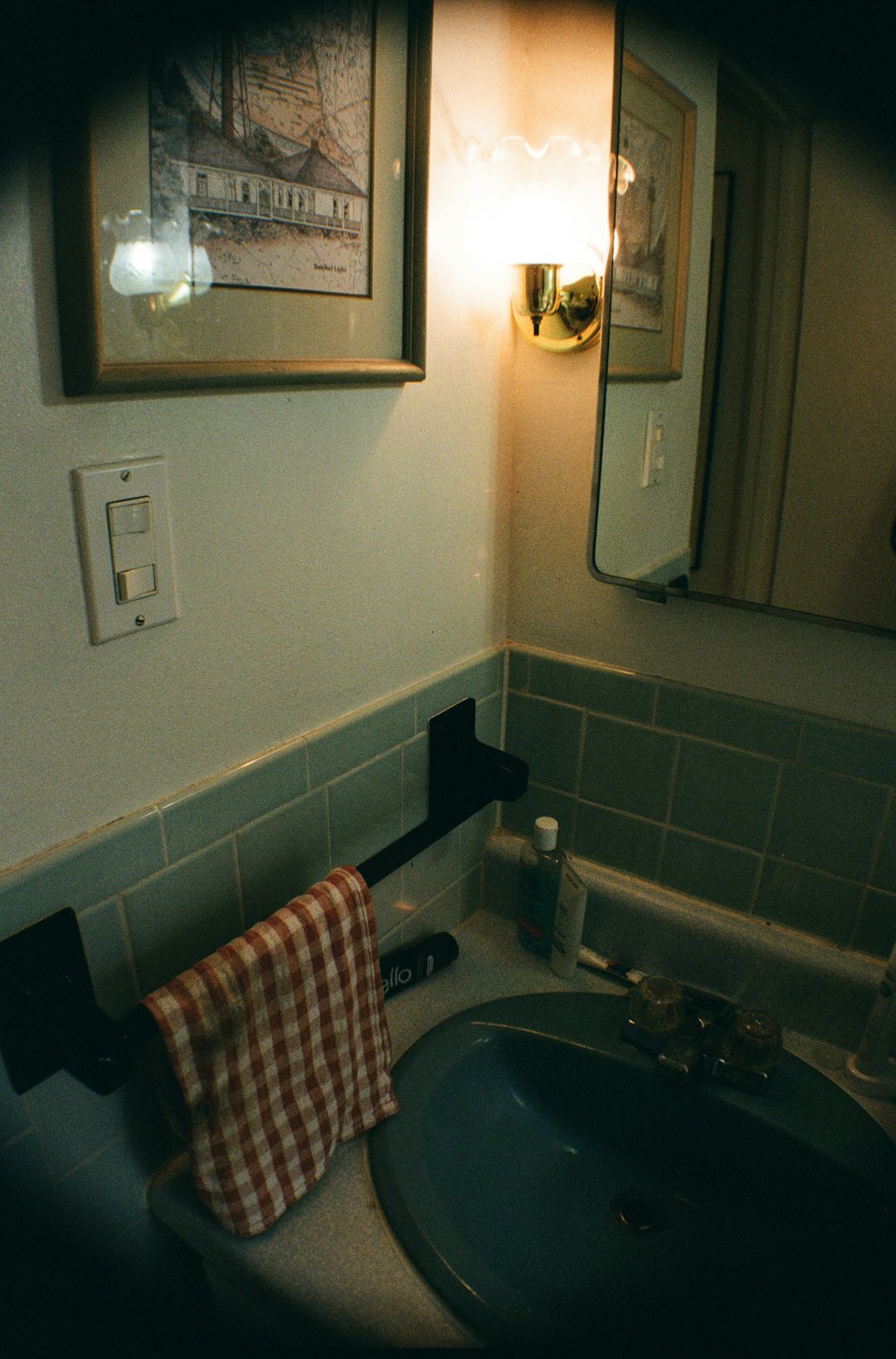
A damp hand towel left across the vanity takes up space and can make everyday products wet. A properly fixed towel ring or lightweight bar beside the basin clears the counter and allows fabric to dry between uses.
Try it: Choose a position you can reach without dripping across the floor. If renting, use only landlord-approved fittings and follow load and surface requirements. Avoid placing fabric over an electrical socket or heat source. Best for: sinks where a folded hand towel is always being moved before cleaning.
12. Use one refillable hand-soap dispenser, not a bottle collection
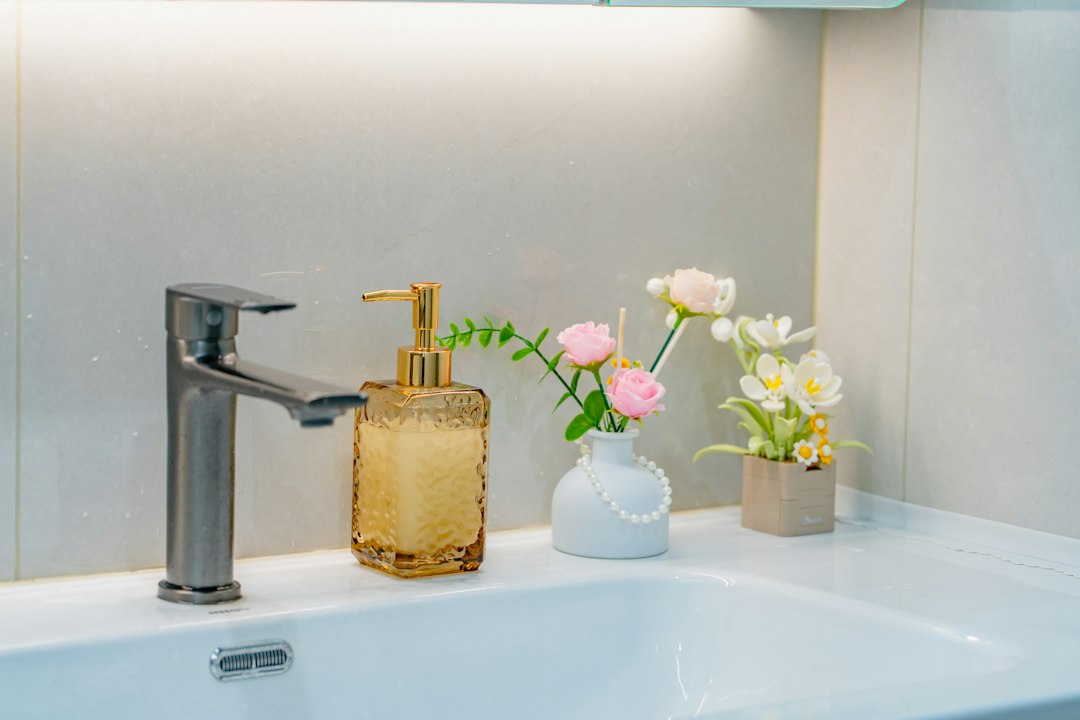
Multiple nearly empty soap bottles can crowd the sink ledge. Keeping one hand-soap dispenser at the point of use makes handwashing more convenient and leaves room to clean. You do not need a matching bathroom accessory set just to simplify this zone.
Try it: Choose a stable, easy-to-clean pump that is comfortable for everyone in the household. If refilling, follow the soap manufacturer’s hygiene and refill directions; clean and dry the container when appropriate. Keep large backups in safe storage, not beside the faucet. Best for: very narrow vanities and family washrooms.
13. Give tiny accessories a divided drawer insert
Moving small accessories off the counter works only if they have somewhere useful to go. A washable divided drawer insert can separate hair clips, ties, tweezers and grooming accessories so you can retrieve them without dumping a bag onto the sink.
Try it: Measure the drawer’s inside depth and allow clearance for plumbing or drawer rails. Put frequently used items in the front section, and give sharp tools a child-safe storage location rather than an easy-access vanity drawer. Best for: bathrooms with a single drawer and many small daily accessories.
14. Store heated hair tools in a safe designated holder
Hair dryers and straighteners often occupy an entire counter while their cords tangle around bottles. A stable heat-resistant tool station, placed in a location approved by the product manufacturer, can give them a safe storage home.
Try it: Measure the width and height of each tool, including its plug and cord, before choosing a holder. Check the holder’s stated load capacity and mounting requirements, and position it in a dry location where the cord will not cross a walkway or reach the basin. Choose separate compartments if tools otherwise become tangled. Follow each appliance’s cooling and storage instructions. Best for: shared vanities where several grooming tools need an organized, designated home.
15. Move backup toiletries onto a secured vertical shelf
Backup shampoo, unopened soap and spare toiletries do not need to share precious sink space with everyday handwashing essentials. A suitable small wall shelf or stable freestanding storage unit outside the main splash zone makes them accessible without crowding the counter.
Try it: Keep heavy items low, check shelf load limits and securely fix tall furniture where necessary. Store medicines and dangerous cleaning products safely and separately, rather than in an open basket that children can reach. Best for: bathrooms with almost no vanity storage and suitable available wall or floor space.
Bathroom counter organization for renters
Most changes can be removable: use freestanding trays, small bins, drawer dividers and compatible over-door accessories rather than permanent fixtures. If you use adhesive bathroom accessories, follow the product’s surface and weight instructions; humid conditions can weaken some adhesives. Never place something heavy or breakable where it could fall onto a person.
Keep enough clear floor space and a comfortable route to the sink. An organizer should not interfere with cabinet hinges, plumbing access, ventilation or daily cleaning.
A five-minute weekly counter reset
- Move all small products off the sink and wipe the surface.
- Rinse and dry washable holders and trays.
- Check for empty containers and outdated products.
- Return only current daily essentials.
- Put backup items in their designated safe storage spot.
A short reset helps the organization last. You can make a printable bathroom version using our blank daily checklist template.
Three simple bathroom counter layouts to try
| Counter type | Keep on display | Move elsewhere |
|---|---|---|
| Very narrow sink ledge | Hand soap and a slim upright toothbrush holder | Skincare, backup products and hot tools |
| Shared family vanity | Hand soap and one small daily-use container per person | Extra bottles, cleaners and rarely used accessories |
| Counter with a small corner | A washable tray holding two or three everyday essentials | Bulky makeup bags and duplicate products |
Try this today: Clear the area closest to the faucet, wipe it dry and return only items used for washing hands and brushing teeth. Put other daily products in one removable organizer. You should still be able to wash your hands and clean the sink without shifting several bottles.
Bathroom counter organization FAQs
What is the best organizer for a very small bathroom sink?
A narrow, washable tray or small upright holder is often enough. Choose according to the space available beside the faucet, while leaving handwashing and cleaning access clear.
Where should I put makeup in a bathroom with no drawers?
A portable closed caddy stored in a dry, suitable cabinet or bedroom dressing area can be practical. Some makeup and skincare products don’t store well in humid bathrooms, so follow the packaging guidance.
How can a family share one bathroom counter?
Limit counter space to shared washing essentials and give each person a small removable daily-use container. Store backups and special-use items away from the sink, using child-safe locations where needed.
Choose one home for every everyday essential
A functional bathroom counter needs fewer decisions every morning. Decide what must stay next to the sink, place those items where you can clean around them and move everything else to a safe, convenient home. With just one tray, a sensible toothbrush holder and a short reset routine, a small bathroom can feel much easier to use.
Quick bathroom counter measurement guide
Before choosing a tray, measure the flat space beside the basin, check the faucet handle movement and leave a clear area for washing hands. Test the intended organizer footprint with a sheet of paper first. A removable tray should lift out easily for wiping, and nothing should crowd electrical outlets or hot tools.
| Counter situation | Try first | Check before keeping it |
|---|---|---|
| Very narrow ledge | One compact soap and toothbrush station | Does it leave the basin usable? |
| Shared sink | One small caddy per person | Can both caddies be removed for cleaning? |
| No drawers | Portable closed grooming caddy | Can it be stored dry and safely? |